

 📅 05.02.2026 • KOZA Children's Play House
Motor skills are a child's ability to control their muscles and fall into two groups: gross motor skills, which use large muscle groups for running, jumping, and climbing; and fine motor skills, which use small muscle groups for holding a pencil, buttoning, and using scissors. Both form the foundation of school success and everyday independence.
Expected Development by Age
- Ages 2–3: Runs, climbs stairs, kicks a ball; builds towers, turns pages, scribbles with a thick crayon.
- Ages 3–4: Stands on one foot, rides a tricycle; begins cutting with scissors, draws circles.
- Ages 4–5: Hops on one foot, catches a ball; draws human figures, tries to write their name, buttons clothes.
- Ages 5–6: Skips rope, walks on a balance beam; holds a pencil correctly, cuts shapes neatly, learns to tie shoes.
Remember: these age ranges are averages; every child's developmental pace is unique.
How to Support Gross Motor Skills
Climbing structures, slides, balance games, ball games, and dance are the most enjoyable activities for working large muscle groups. At least 1 hour of active movement every day is the golden rule of motor development. Indoor play areas are a safe way to meet this need regardless of weather.
How to Support Fine Motor Skills
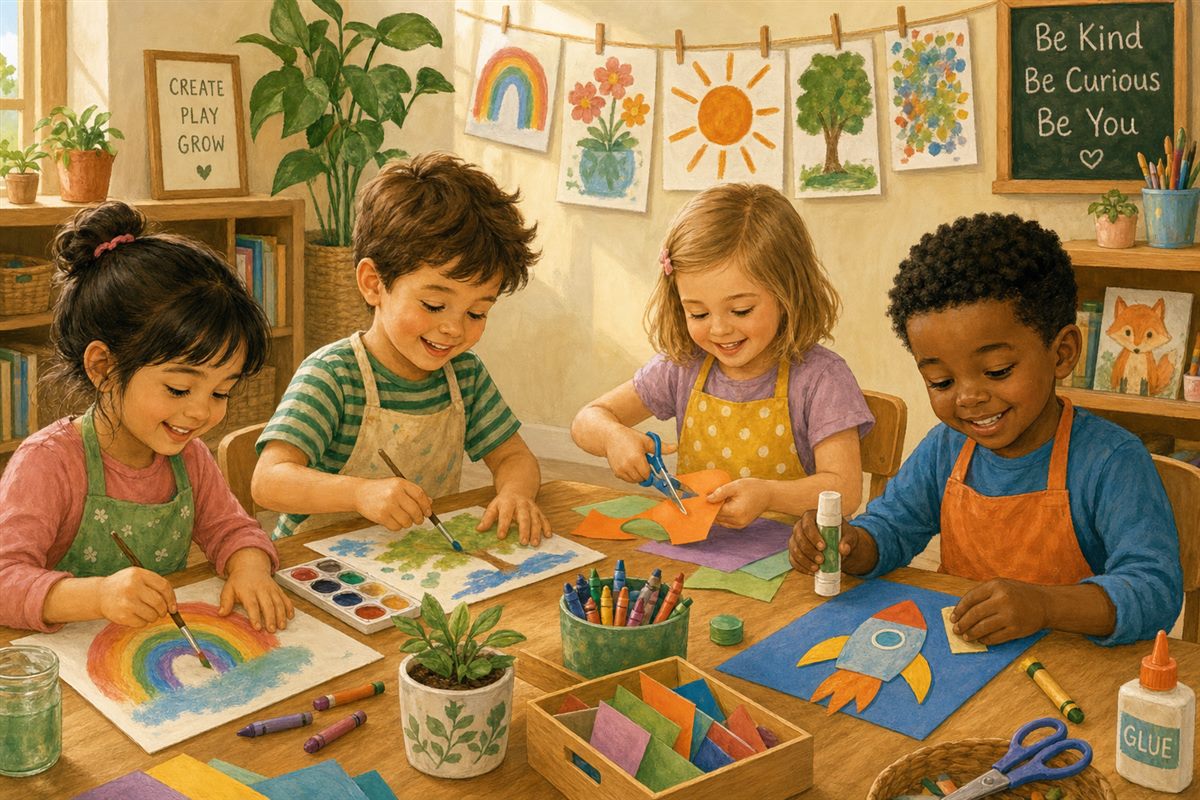
Coloring, dough and clay work, beading, puzzles, LEGO, and scissor-cutting activities strengthen finger muscles. Art workshops function almost like a gym for fine motor development — and children experience it as fun, not exercise.
When Should You Consult a Specialist?
If your child seems noticeably behind peers (for example, still unable to climb stairs at age 4 or hold a pencil at age 5), it is worth consulting a pediatrician or development specialist. Delays identified early can often be closed with the right support.
KOZA Children's Play House's play areas and workshops in Sapanca are designed for children to develop both gross and fine motor skills while having fun. Call us for information about our programs.