

 📅 25.03.2026 • KOZA Children's Play House
A child's first social circle is the family; however, true social skills develop in relationships with peers. Peer relationships are a child's rehearsal for "being an individual in society," and no adult relationship can replace them.
Why Are Peer Relationships Different?
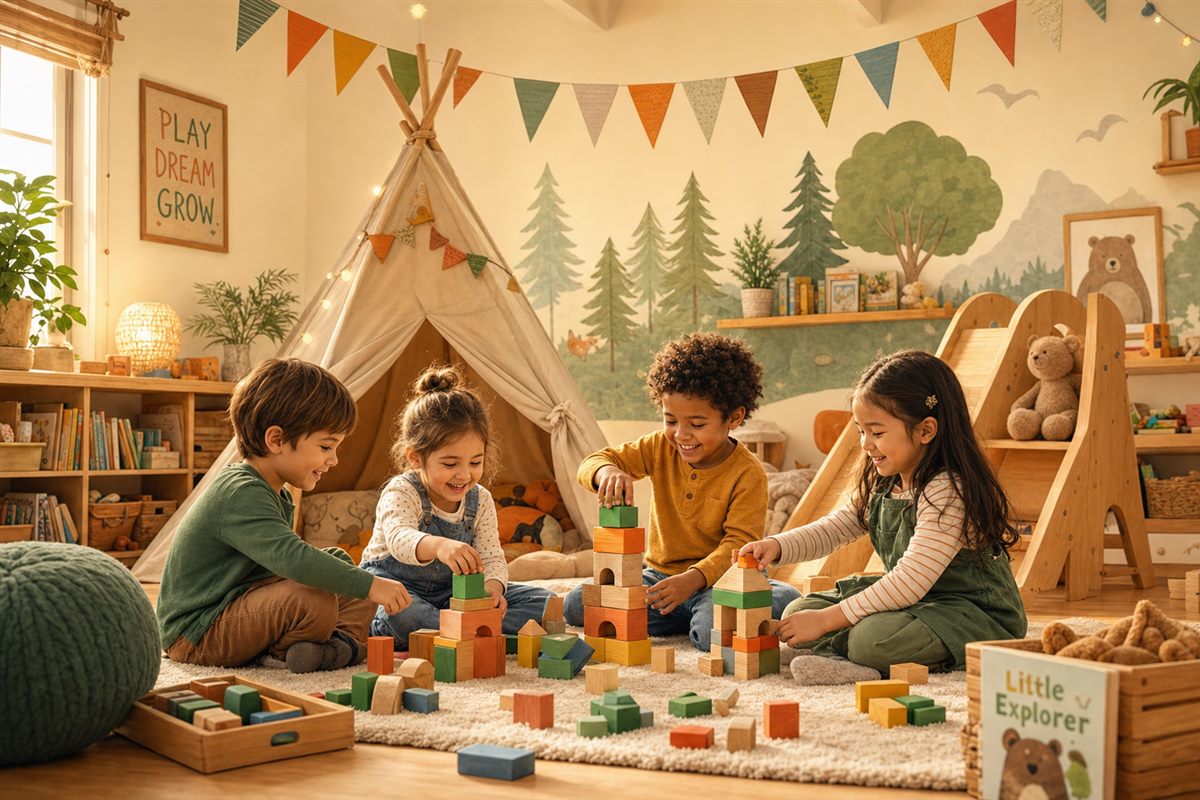
Adults usually adapt to children: they let them win in games and anticipate their wishes. Peers do not. A child playing with a peer must learn to wait for a desired toy, defend their opinion, compromise, and sometimes lose. That "necessity" is the engine of social development.
What Peer Relationships Provide
- Sharing and turn-taking: Shared toys and shared spaces are the first lessons in sharing.
- Communication and negotiation: The sentence "You first, then me" is a small diplomatic victory.
- Conflict resolution: With the right guidance, disagreements become opportunities for problem-solving.
- Sense of belonging: Feeling part of a group is one of the cornerstones of emotional security.
- Self-regulation: The rules of group play develop impulse control.
Today's Socialization Challenge for Children
Apartment living, increased screen time, and single-child families have reduced children's natural opportunities to socialize. Play environments that once formed spontaneously in the neighborhood today must be created intentionally. For this reason, children's play houses, nurseries, and group activities have become essential social spaces of modern childhood.
Recommendations for Families
Create settings where your child can meet peers regularly. Join play groups, make park visits a routine, and take advantage of safe play centers. Socialization is not a luxury — it is a developmental need.
KOZA Children's Play House's social development programs and group activities help children in Sapanca meet their peers in a safe environment. Call us for details.